
Best Powerball Numbers to Play? Here’s What the Data Actually Shows
One of the most common lottery questions online is simple:
What are the best Powerball numbers to play?
The problem is that most answers are either too generic or too superstitious.
If you really want to explore that question, you need to look at data, patterns, recent number behavior,
and how a pick performs against history.
That is where NichebrAI becomes useful.
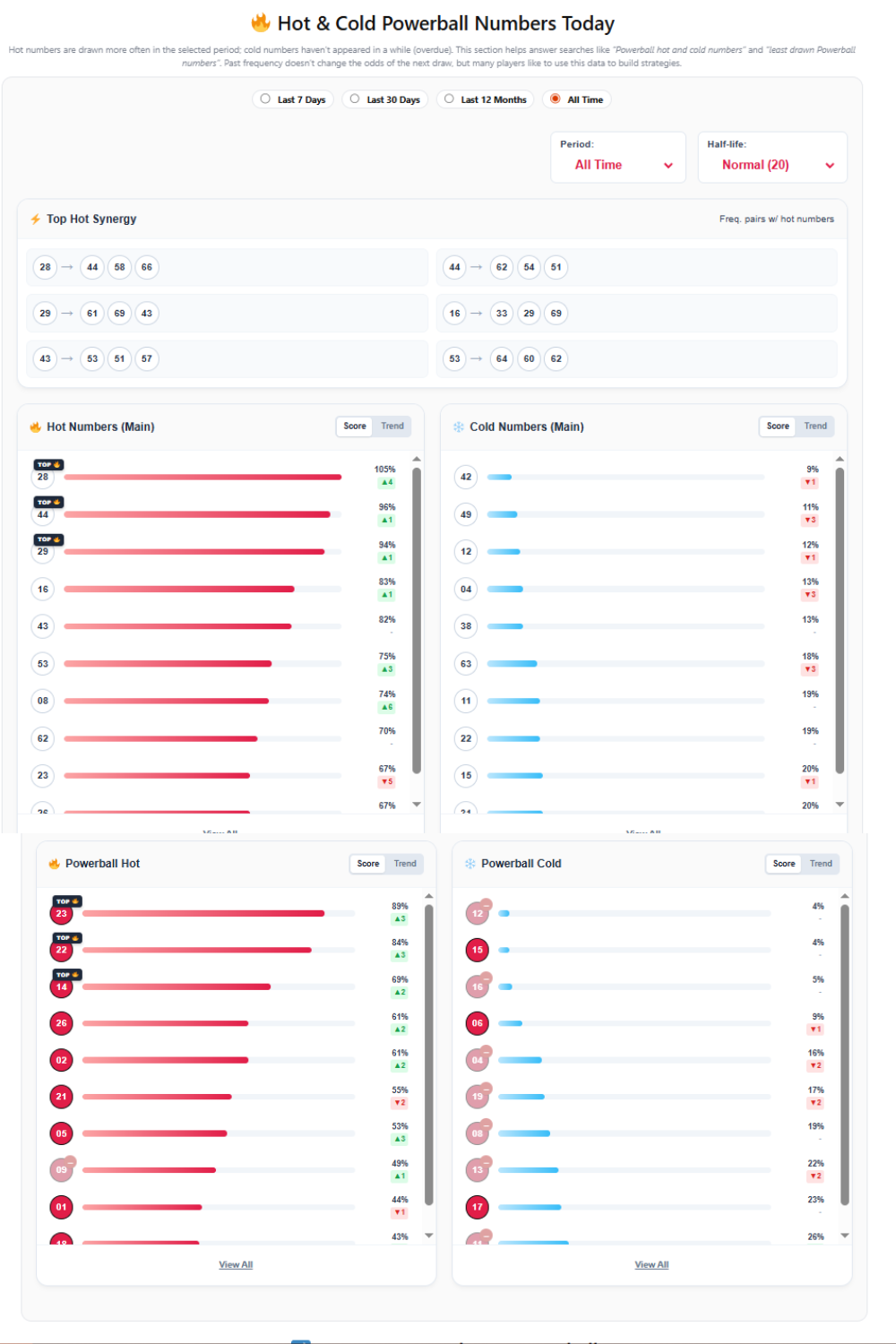
Start with the number board
If you want to think about the best Powerball numbers to play, you need to begin with the actual number landscape.
That means checking recent frequency, movement, and how the board is behaving now, not just what hit years ago.
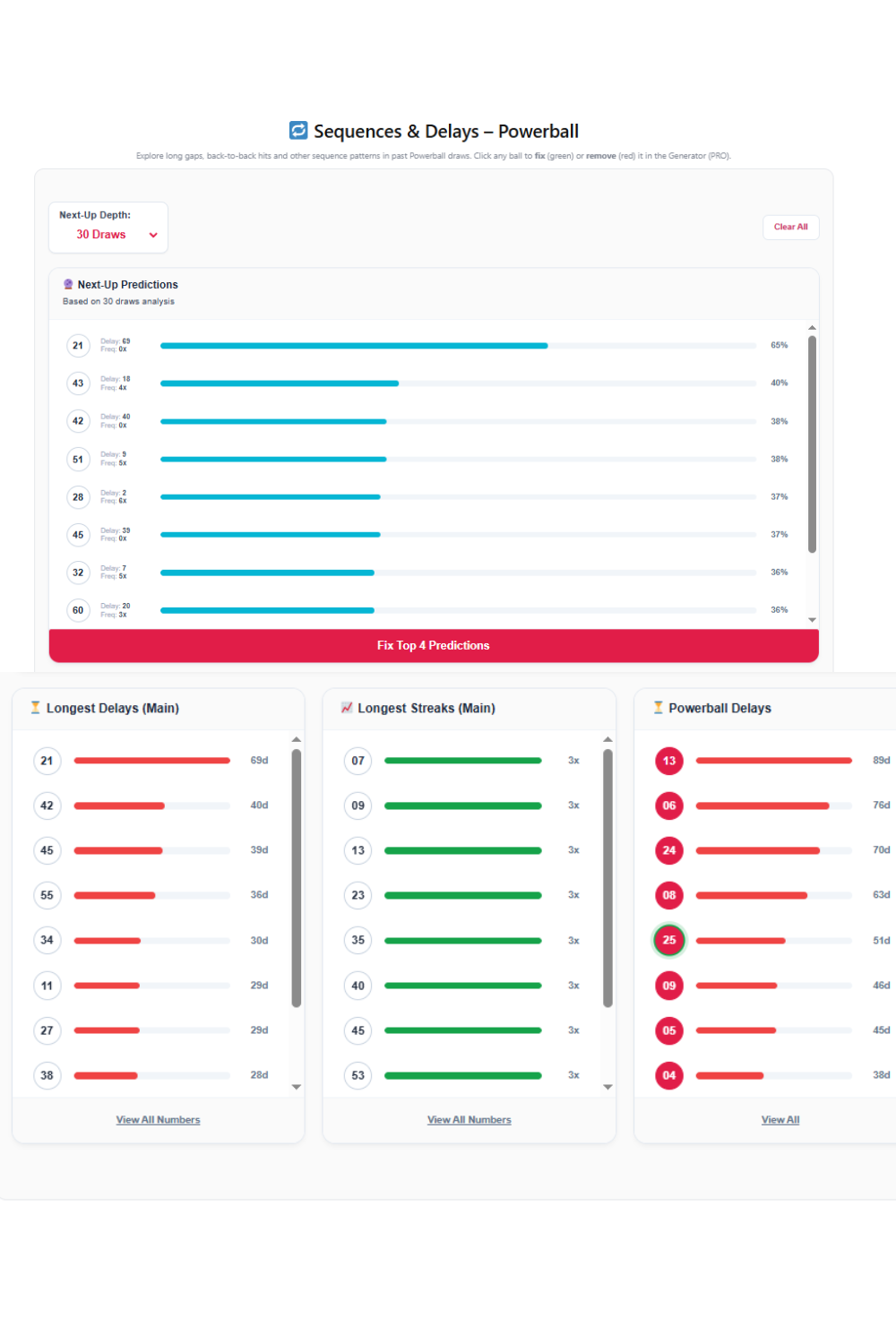
Sequences and delays matter more than people think
Players often focus only on “hot” or “cold” numbers, but that is only part of the story.
Sequences, delays, and number structure help explain the shape of the board more clearly.
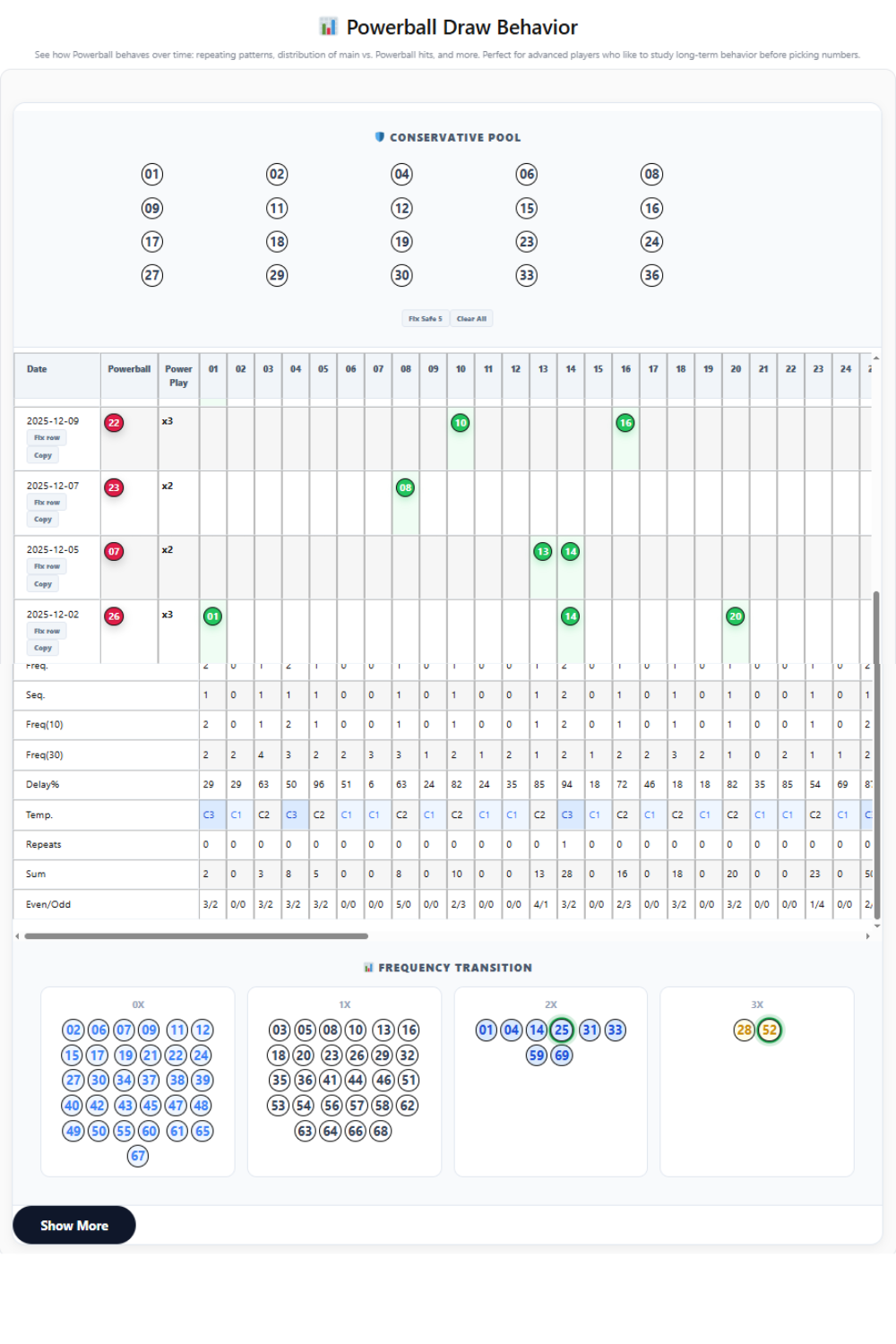
Draw Behavior gives a stronger read than guesswork
The best Powerball numbers to play are not about magic. They are about context.
Draw Behavior is useful because it helps reveal how active, delayed, or unusual certain number zones look.
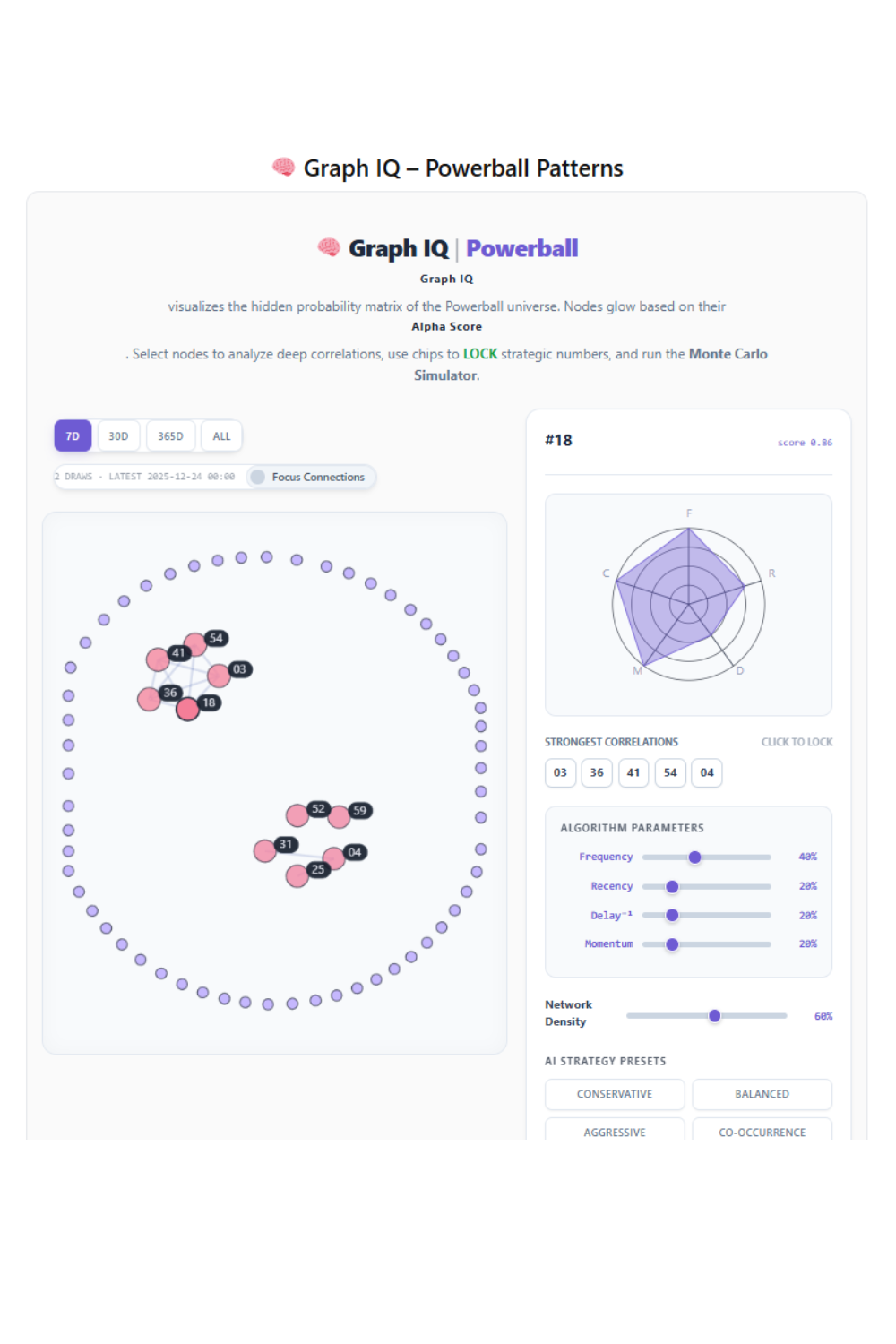
Graph IQ helps you see patterns faster
Tables are useful, but visual tools can make patterns easier to spot. That is why I also use
Graph IQ when comparing current number behavior and past movement.
Then test ideas with the generator
Once you have context, the next step is to test combinations. The Powerball PRO AI Generator
makes that easier by helping you build and refine picks with structure instead of random guessing.
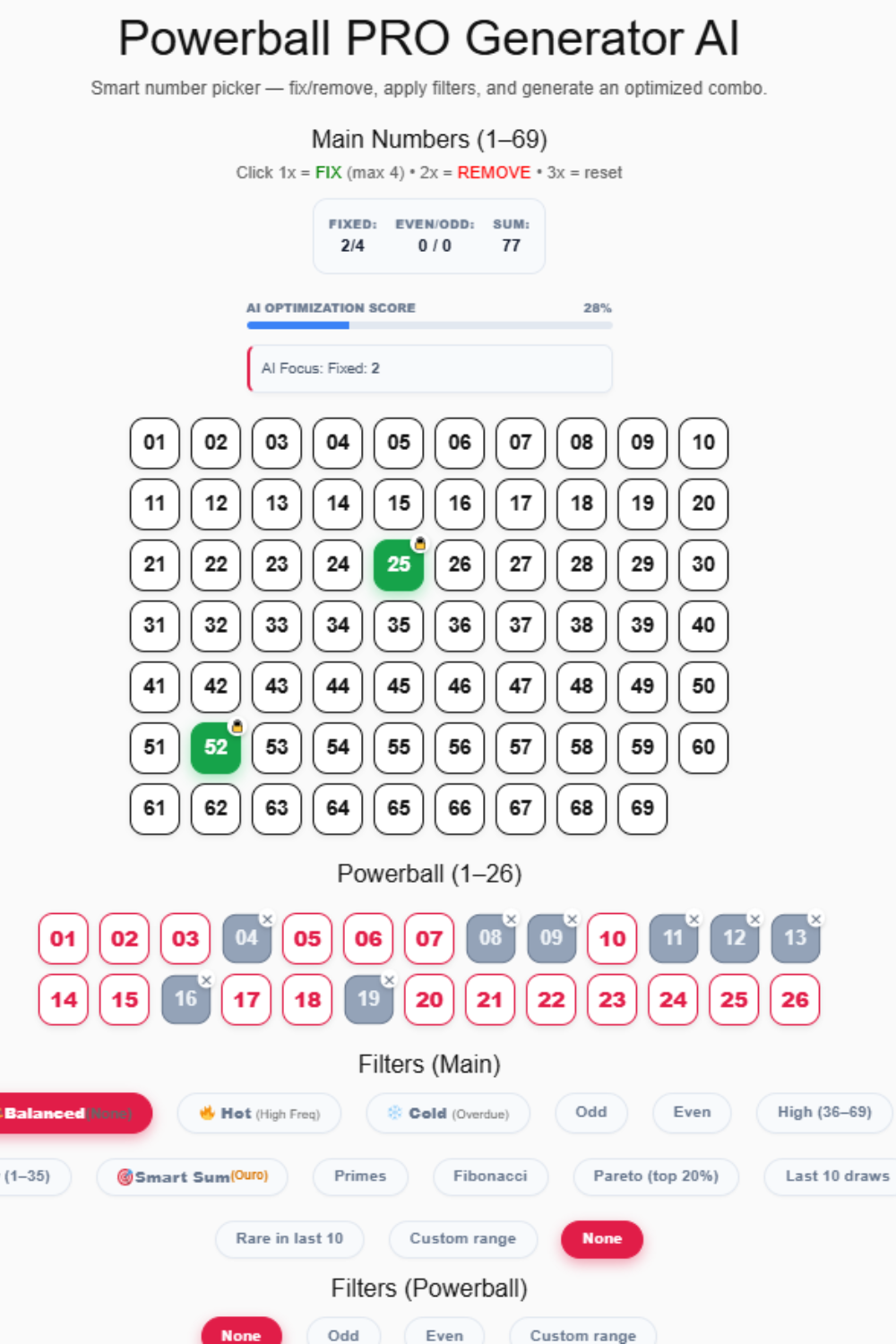
So what are the best Powerball numbers to play?
The honest answer is this: there is no single magic list. But there is a much better way to build a list.
The best approach is to combine:
- recent number activity
- delay and sequence context
- pattern analysis
- historical awareness
- generator testing and refinement
That is far stronger than relying on hype alone.