
Why Do Some Absurd Moments Feel Instantly Normal?
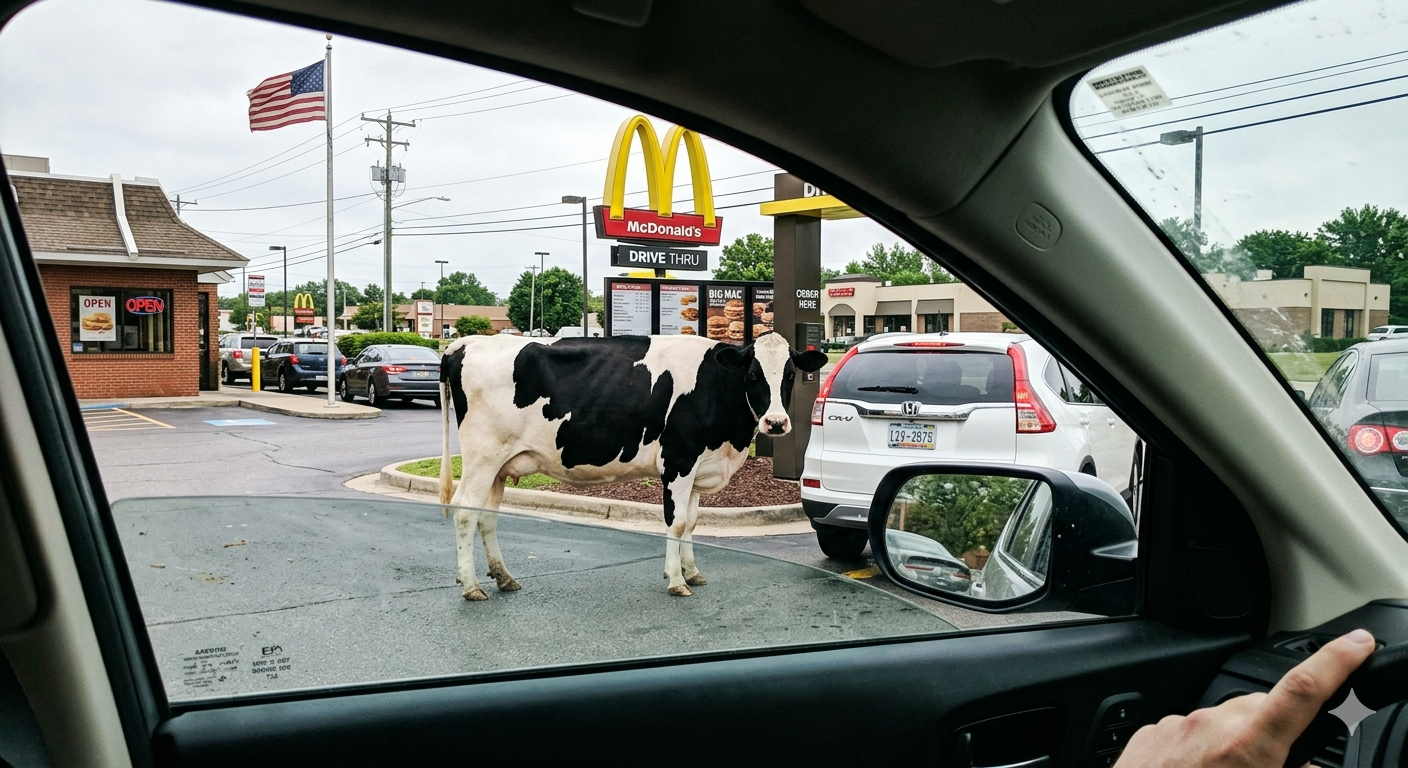
A cow in a fast food drive-thru should feel completely ridiculous.
And yet the scene makes sense almost immediately.
That is what makes it so effective.
The setting is familiar.
The line is familiar.
The wait is familiar.
The only thing out of place is the cow.
But because everything else is easy to read, the brain accepts the scene faster than it should.
This happens all the time.
Not just with images.
With choices too.
When something arrives in a form the brain already understands, it feels easier to trust.
Even when the conclusion behind it is thinner than it looks.
That is why simple patterns can feel stronger than they really are.
A line looks balanced.
A number feels familiar.
A sequence looks clean.
Something about it feels obvious, and that feeling starts doing the work that actual review never got the chance to do.
When “easy to read” turns into “easy to trust”
A player opens the app close to draw time, lands on a set of numbers that looks neat, keeps a couple out of habit, swaps one because the line feels smoother, and moves on with quiet confidence. Nothing dramatic happened. It just all looked simple enough to accept quickly.
That is the part people miss.
The brain loves clean, fast stories.
If something feels instantly readable, it often feels more reasonable too.
But readable is not the same thing as well examined.
The cow in the drive-thru works because the absurd part is wrapped inside a very normal frame.
A lot of human decisions work the same way.
The structure looks familiar.
The feeling seems clear.
And that clarity gets mistaken for depth.
That is exactly where better analysis starts to matter.
The moment something feels obvious is often the moment it deserves a second look.
In lottery play, that difference can separate a recycled impulse from a more deliberate process.
There’s a fuller explanation behind that.
The Pattern Trap is a short companion guide on why clean-looking choices feel smarter than they are, how easy-to-read patterns gain too much trust, and why the obvious choice often deserves a second look.
Buyer note: includes a personal code for the first month of TrendPick.
NichebrAI was built for that second look.
Instead of stopping at what feels clean or convincing on first glance, the platform helps you explore draw history, number behavior, delays, sequences, hot and cold patterns, and AI-assisted analysis built around real lottery data.
What changes when you stop at the line less often
- You stop treating “looks good” as enough by itself
- You can review real draw history before settling on numbers
- You can compare number behavior with more context behind the choice
- You move from quick acceptance to a more informed workflow
That is the real upgrade.
Not fantasy.
Not magic.
Not some fake promise hidden inside a clever headline.
Just a better process than trusting whatever looked right in a few seconds.
The reason this image sticks is simple.
It gives the brain a scene it already knows how to read.
And once that happens, even something ridiculous can feel surprisingly acceptable.
A lot of choices gain strength the same way.
Not because they were deeply tested.
Because they fit a familiar shape fast enough to feel correct.
If you are going to explore numbers anyway, it makes sense to use something better than habits, surface impressions, and whatever happened to feel clear at first glance.
The free version lets you test the platform.
And if you want more depth, more AI usage, and a more complete workflow, the paid plans take you further.
Fast clarity is not the same thing as strong reasoning.
Sometimes a choice only feels smart because the brain understood its shape quickly.
The better move is checking what is underneath that first impression.
NichebrAI is built for analysis and exploration. It does not guarantee winning outcomes.