

Most Lottery Picks Make No Sense
Be honest. A lot of lottery picks make about as much sense as a goat standing in a tree.
That sentence works because it is ridiculous on purpose.
A goat in a tree is not the kind of thing the brain expects.
It creates a tiny pause.
A glitch.
A brief interruption in the smooth rhythm of scrolling.
You see it and think, what is that doing there?
And sometimes that is exactly the question worth asking about the way people build their lottery lines.
Because if you slow the process down and actually look at it, a lot of lottery picks are not really built through a process at all.
They are built through fragments.
Through little emotional leftovers.
Through habits that feel reasonable because they have been repeated often enough to stop looking strange.
A birthday.
A number from an old ticket.
A pair that once came close.
A number that keeps returning because it somehow feels loyal.
A quick pick that gets edited just enough to feel personal.
A last-second choice made under the pressure of a countdown and a tiny shot of hope.
That is why the goat works.
It is not just weird.
It is revealing.
It shows how something can look obviously out of place once you stop pretending it belongs there naturally.
You have probably done your own version of this
Maybe not with a goat in a tree.
But with a choice that felt more meaningful than it really was simply because it felt familiar.
A number reused because it had history.
A date trusted because it belonged to your life.
A tiny change made at the last second because the row suddenly looked better that way.
A decision that felt calmer the moment it became familiar.
That is part of what makes pages like this work.
People do not stop because the idea is technically deep.
They stop because they feel recognized.
Somewhere in the middle of the joke, they see themselves.
Not in a humiliating way.
In a human way.
In a way that makes them think, yeah, I kind of know what that means.
The quiet ritual almost nobody talks about
A lot of lottery decisions happen in a very specific emotional atmosphere.
They do not happen during a calm hour of analysis with a notebook open and plenty of time.
They happen in between things.
Late at night.
At the kitchen table.
In the car before going inside.
On the couch while half-watching something else.
Standing in line.
Looking down at a screen.
Feeling the draw get closer.
And in that moment, people usually do not think, I am about to improvise.
They think, let me put something together.
Let me use what I used before.
Let me trust what already feels like mine.
Let me not overthink this.
That phrase alone has probably shaped more lottery tickets than people realize:
let me not overthink this.
A more familiar scene
It is late. The draw is coming up.
Someone opens the app and stares at the empty number field for a second longer than expected.
One number goes in because it has always gone in.
Another follows because it belongs next to it.
Then a date appears.
Then an old favorite.
Then one gets removed.
Then one gets added back because somehow the first version suddenly felt wrong.
No real review.
No structured comparison.
No actual pause to look at draw behavior.
Just a small ritual dressed up as a strategy.

The strange part is that it rarely feels random while it is happening.
It feels personal.
It feels intuitive.
It feels almost thoughtful.
That is what makes the habit powerful.
The brain is incredibly good at making familiar behavior feel smarter than it is.
Not through lies exactly.
Through comfort.
Through a soft emotional logic that feels reasonable in the moment and barely asks to be examined.
Why this feels smarter than it is
What people usually tell themselves
Most people do not say to themselves, I am choosing blindly.
They say softer things.
More convincing things.
Things that protect the choice from scrutiny.
I know these numbers.
I used these before.
I nearly hit with something close to this.
These numbers mean something.
This row feels more balanced.
This one looks stronger.
This one just sits right.
I know these numbers.
I used these before.
I nearly hit with something close to this.
These numbers mean something.
This row feels more balanced.
This one looks stronger.
This one just sits right.
Notice what is happening there.
The mind is not building evidence.
It is building permission.
It is finding a reason to stop searching.
A reason to settle.
A reason to turn discomfort into completion.
That matters because uncertainty is tiring.
Empty choices are tiring.
A blank field on a screen asks for energy.
It asks for attention.
It asks for structure.
And most people, when they are tired or rushed, do not reach for structure.
They reach for familiarity.
What usually happens next
A small feeling appears.
Then a familiar action follows.
Then the decision gets locked in.
And the moment the choice is made, something subtle happens:
uncertainty gets quieter.
That quiet can feel like confidence, even when nothing stronger than habit was involved.
That line is worth reading twice.
Because it explains more than people think.
A lot of weak decisions do not feel weak at the end.
They feel relieving.
Relief is not the same as analysis.
But in the body, the two can look similar for a moment.
The choice is done.
The tension drops.
The mind moves on.
And that tiny drop in tension can be mistaken for a sign that the process made sense.
This is one reason repeated habits are so sticky.
They do not just repeat behavior.
They repeat emotional relief.
The near-miss memory problem
Why near-miss memories feel so powerful
There is another layer to this that makes lottery choices even more persuasive:
memory does not store every ticket equally.
People rarely remember the hundreds of ordinary moments with perfect clarity.
They remember the emotional ones.
The time a number almost hit.
The ticket that felt close.
The row that looked special.
The moment they said, if only I had kept that one.
Those memories carry extra weight.
Not because they are better evidence.
Because they are emotionally charged.
That turns old fragments into trusted guides.
A number stops being just a number and becomes a story.
A choice stops being just a choice and becomes something unfinished.
Something waiting for another chance.
The pattern trap
The mind loves to recycle what already feels safe, important, or emotionally unfinished.
That can make a weak process feel deeper than it is, simply because it comes wrapped in memory.
That is why this conversation is not really about numbers first.
It is about behavior first.
The numbers are just where the habit becomes visible.
Once you see that clearly, a lot of things start to look different.
The repeated number.
The trusted birthday.
The old favorite pair.
The line that always returns because it feels too connected to abandon.
None of those are automatically irrational by themselves.
The problem is what happens when they quietly replace a real process.

This does not mean people are dumb
It means people are human.
Humans are pattern-making creatures.
We look for meaning.
We repeat what feels known.
We create tiny rituals around uncertainty because rituals make uncertainty feel smaller for a moment.
And that is why strange images travel so far.
They are not memorable only because they are weird.
They are memorable because they expose something true in a form the brain cannot ignore.
The goat in the tree feels absurd.
But the structure behind it is familiar:
something unusual sitting in a place that, after a second look, was never really explained well in the first place.
That is how many picks are built.
There is clearly something there.
A row exists.
A choice was made.
But if you slow down and ask why those exact numbers ended up together, the answer can get vague very quickly.
Because the true answer is often not a method.
It is a mix.
Memory.
Emotion.
Repetition.
Visual preference.
Old luck.
Time pressure.
The relief of finally selecting something.
That does not make a person foolish.
It simply means most players were given access to the ticket, not access to a better process.
A familiar choice can feel intelligent long before it has earned that feeling.
That line applies far beyond lottery picks.
It applies to habits in general.
People often repeat what feels known, then confuse the emotional smoothness of repetition with the strength of a better decision.
The same number gets used again.
The same row gets recycled again.
The same tiny ritual happens again.
And because it feels easier than facing a blank decision from scratch, it begins to feel justified.
That is how habit hides.
Not as drama.
As normality.
As something ordinary enough to go unquestioned.
Why people keep calling it strategy
Because strategy sounds cleaner than impulse.
Because it feels better to imagine that a process existed, even when the process was mostly assembled on the fly.
Because once money enters the picture, people want the choice to feel intentional.
And to be fair, that instinct makes sense.
Nobody wants to think of themselves as tossing numbers together thoughtlessly.
So the mind edits the story.
It upgrades a rushed choice into a considered one.
It turns a familiar pattern into a meaningful pattern.
It wraps repetition in the language of judgment.
That is not deception in a dramatic sense.
It is self-soothing.
It is the mind trying to make uncertainty easier to carry.
The hidden loop
Uncertainty shows up.
A familiar number appears.
A choice gets made.
Relief follows.
Repeat that enough times and the routine starts to feel like wisdom.
That is why some choices feel so sticky.
They are not just repeated.
They are emotionally reinforced.
And once that reinforcement has been repeated long enough, questioning it can feel strangely uncomfortable.
A person may not know exactly why they trust a particular number anymore.
They just know it feels wrong to leave it out.
That feeling right there tells you how strong the ritual has become.
What a better process actually changes
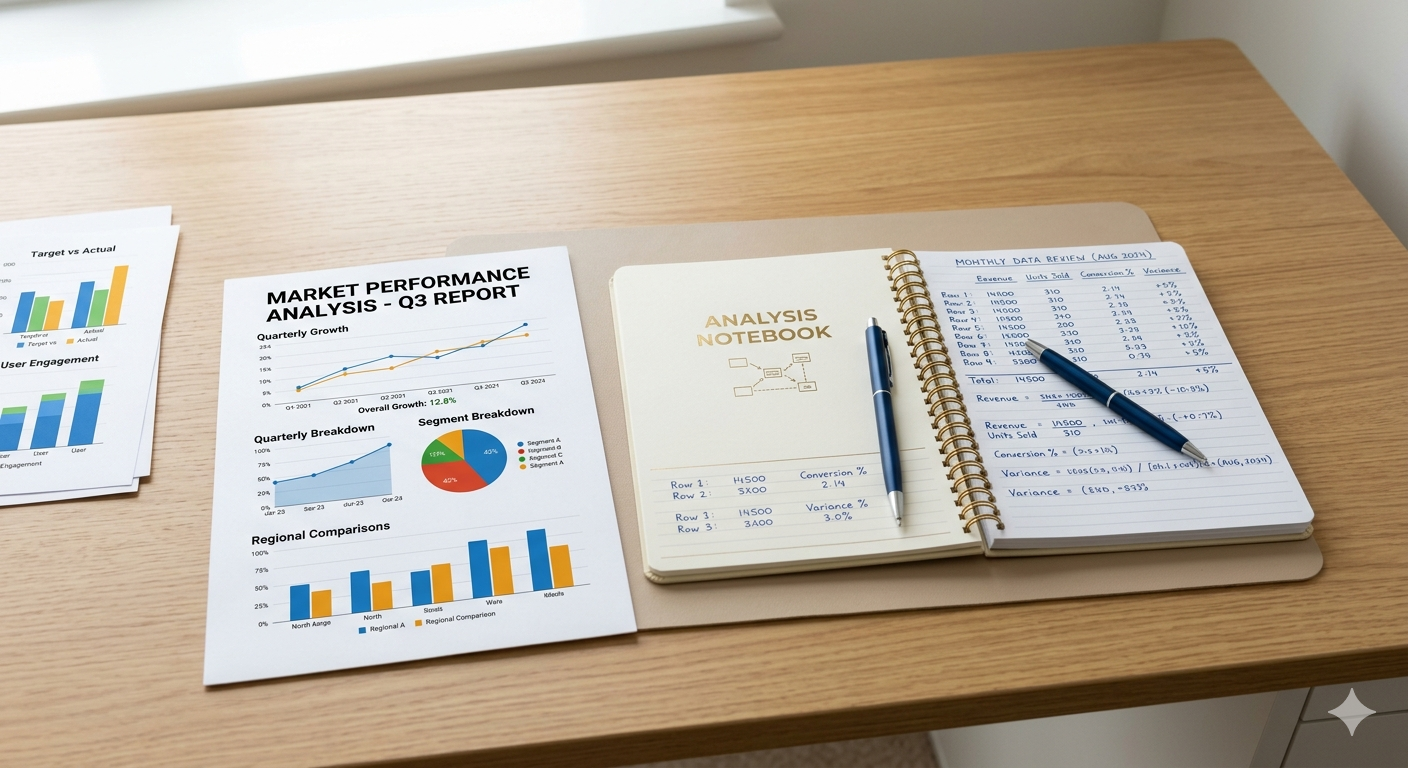
A better process does not turn uncertainty off.
It does something more practical.
It slows the impulse down.
It introduces context.
It gives the decision something stronger to lean on than mood, memory, and recycled favorites.
That matters because most people are not looking for magic as much as they are looking for traction.
Something firmer than a feeling.
Something more structured than a rushed personal ritual.
Something that lets them explore the game with a little more discipline and a little less noise.
This is where the conversation starts to shift.
Because once you admit that many picks are built from habit more than process, the next obvious question is:
what would a better process look like?
Not a fantasy process.
Not a fake certainty process.
Not a dramatic “secret winning numbers” process.
A real one.
Something grounded.
Something that gives you more context before the choice gets locked in.
What changes when you stop picking blindly
That is where NichebrAI comes in.
Instead of treating every lottery line like a random impulse, the platform helps you explore structured draw history, number behavior, delays, sequences, hot and cold patterns, and AI-assisted analysis built around real lottery data.
The value is not in pretending uncertainty disappears.
The value is in replacing thin emotional logic with more context, more visibility, and a more serious workflow.
That changes the experience.
You stop treating the decision like a random emotional fragment.
You start treating it like something worth reviewing before you lock it in.
What changes when you stop picking blindly
- You can check real draw history before choosing a line
- You can review delays, recurring behavior, and number patterns
- You can use AI-assisted combinations with more context behind them
- You can move from basic curiosity to a more serious workflow
That is the real difference.
Not fantasy.
Not hype.
Not superstition with nicer branding.
Just a better process than guessing blind and calling it strategy.
And for some people, that alone is enough.
They do not need a dramatic story.
They just want a better way to explore the numbers than random taps, recycled birthdays, and a last-minute feeling that got promoted into a plan.
But other people want one more layer.
They want to understand why the familiar choice feels so convincing in the first place.
Why repetition becomes trust.
Why a number with history can feel more real than a blank possibility.
Why the ritual keeps returning even when the person knows, on some level, that the process is thin.
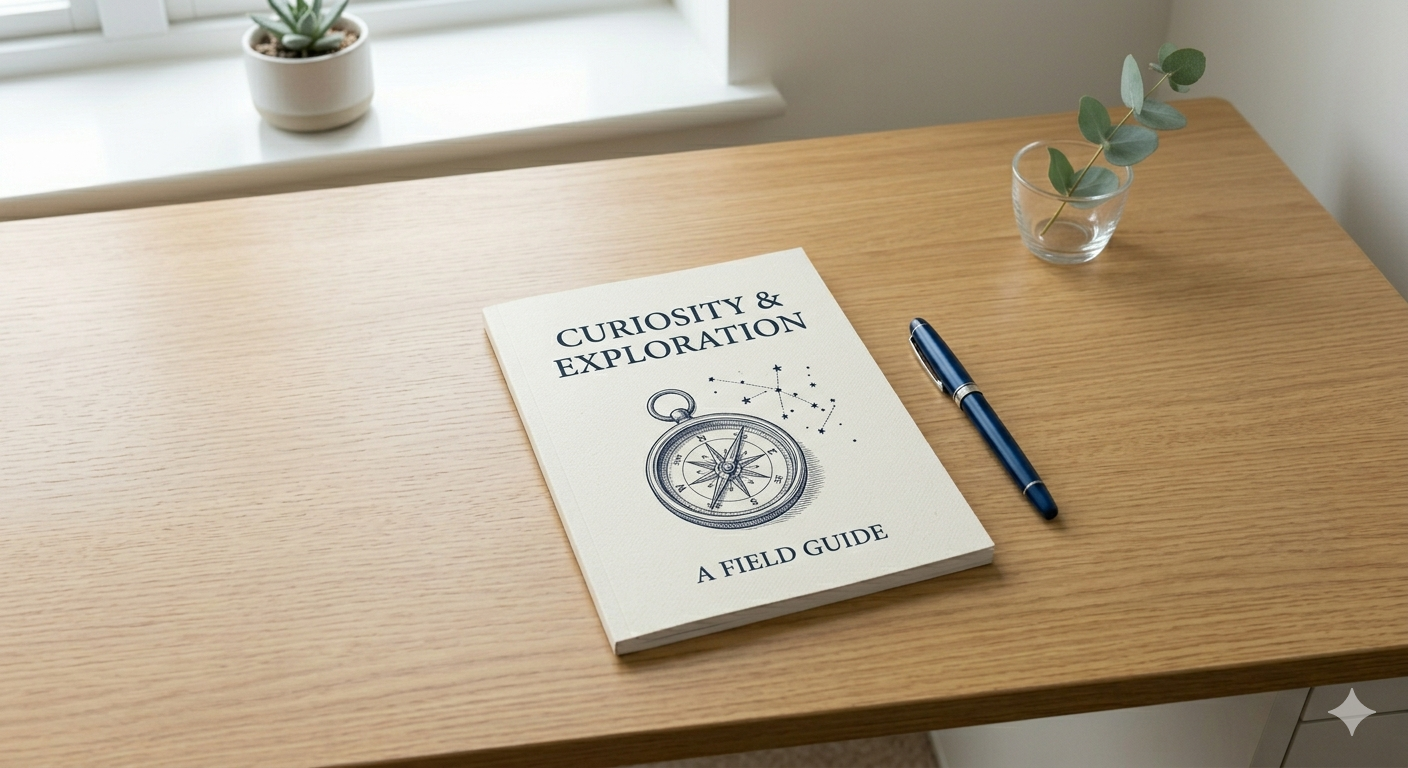
If that second part feels familiar, there is a deeper breakdown behind this page.
There’s a deeper breakdown behind this
The Pattern Trap is a short companion guide on why so many lottery choices feel right even when they come from habit, emotion, recycled favorites, and familiar routines rather than a real process.
Buyer note: includes a personal code for the first month of TrendPick.
If you are going to play anyway, it makes sense to at least explore the game with better tools.
The free experience lets you test the platform.
And if you want more depth, more AI usage, and a more complete workflow, the paid plans take you further.
You do not need magic
You need distance from the rushed choice, the recycled favorite, and the feeling that familiarity alone makes something smart.
Sometimes the first real improvement is simply noticing the habit for what it is.
NichebrAI is built for analysis and exploration. It does not guarantee winning outcomes.